Profiteering, ‘Kalabule’ Reach Crescendo in Kumasi
…As GH¢25,000 Kejetia Market Shops Resold for GH¢120,000

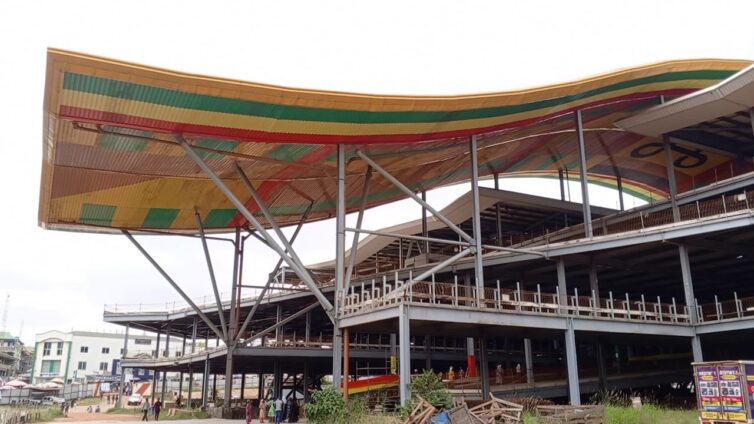
Some traders at the Phase One of the Kumasi Central Market Redevelopment Project are allegedly reselling shops acquired for GH¢25,000 for as much as GH¢120,000, triggering concerns over profiteering and what authorities describe as “unfair” practices.
The practice, according to the government, involves traders who secured shops at subsidised premiums from the Kumasi Metropolitan Assembly (KMA), but subsequently resold or sublet them at significantly higher market rates.
Minister of Local Government, Chieftaincy and Religious Affairs, Mahama Ayariga, disclosed this at a stakeholder meeting in Kumasi, saying preliminary assessments had uncovered instances where shops acquired for GH¢25,000 were being sold for between GH¢100,000 and GH¢120,000.
“There is evidence to show that some people have distributed the shops among themselves and have sublet them to other people at the actual market rate. They paid the assembly GH¢25,000 but sold to others between GH¢100,000 and GH¢120,000. And I am saying that is unfair,” he said.
Mr Ayariga said the development had raised questions about whether the state was receiving the full value of the market stalls, particularly as the huge resale margins were being made by private individuals rather than accruing to the government.
He said the government was therefore considering a new premium structure for subsequent phases of the project to ensure that charges reflected the actual market value of the shops.
“If GH¢100,000 is the market rate, then let’s collect at that rate, so the state can use that money to fund Phase Three,” he said.
GH¢89m Collected
The alleged resale of the shops comes against the backdrop of poor premium collection from Phase One occupants.
A total of GH¢165.3 million was expected to be collected as premiums over the five-year tenancy period. However, only GH¢89 million has so far been collected, according to Kumasi Metropolitan Mayor, Richard Agyeman-Boadi.
He said the revenue shortfall was undermining plans to use proceeds from the market to finance subsequent phases of the redevelopment project.
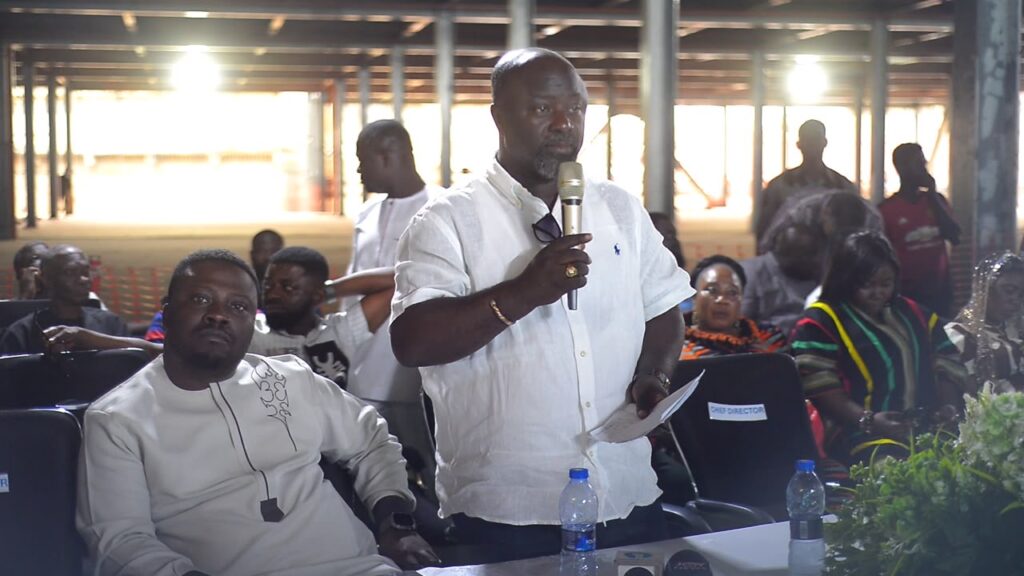
“The monies we came to meet and the ones we have collected amount to GH¢89 million. The shops were sold at an affordable price to traders only for us to realise people are cheating the system,” Mr Agyeman-Boadi said.
He cited an instance involving an individual who allegedly acquired 20 shops despite not actively trading at the market and later sold them for about GH¢100,000 each.
“I know someone who doesn’t sell at the market but has 20 shops and sold them at GH¢100,000 instead of the GH¢25,000 price we sold to them for the five-year tenancy,” he said.
Government Eyes Market Value
The Local Government Ministry and the KMA are now working on a new mechanism for determining and collecting premiums for Phase Two and subsequent phases.
Mr Agyeman-Boadi said the government planned to finance the next stages of the project from revenues generated by the market instead of borrowing.
“In Phase Two, we will be collecting the real value of the stalls. We are using proceeds from Phases One and Two to construct Phase Three. We aren’t going to borrow any cash; we will use the revenues from the market to do the construction,” he said.
The assembly, ministry and traders are expected to hold further consultations to determine appropriate premium rates for the stalls.
An independent entity is also expected to be contracted to oversee the collection of market premiums for Phase Two and subsequent phases.
Phase Two 68% Complete
The Phase Two redevelopment project is currently 68 per cent complete overall, with 84 per cent of procurement completed and construction works standing at 49 per cent, officials said.
The €248-million project contract was signed in December 2018 and was originally expected to be completed within 48 months.
Construction works are expected to resume in October 2026.
Consultant for the project, Tony Yeboah-Asare of Avangarde Design Services, stressed the need for adequate premium payments to ensure the sustainable management of the facility.
He said traders would have to contribute sufficiently to enable the eventual facility managers to generate enough revenue to operate and maintain the market.
Meanwhile, the KMA has warned traders against paying money to individuals or groups claiming to be collecting premiums or allocating shops in the yet-to-be-completed Phase Two market.
The assembly said the distribution of stalls for Phase Two had not yet commenced.
Phase One occupants have also been directed to settle all outstanding premium debts by the end of December 2026 or risk losing their shops.