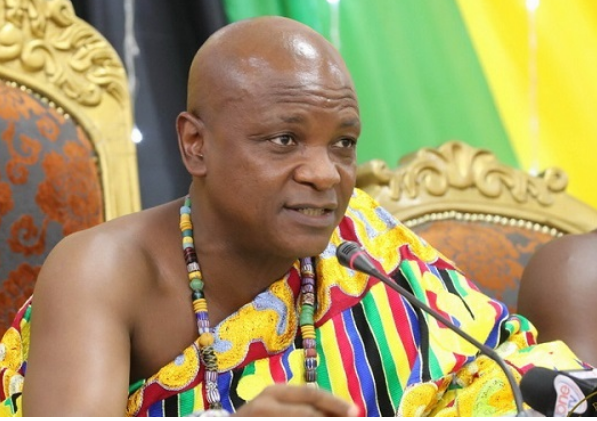
The Agbogbomefia of the Asogli State and President of the Asogli Traditional Area, Togbe Afede XIV, has called for a stronger national commitment to fighting corruption, warning that the practice continues to undermine Ghana’s development and national aspirations.
Speaking at a public lecture in Accra to commemorate the birthday of former President Jerry John Rawlings, Togbe Afede described corruption as a destructive force that weakens the foundations of the nation.
The lecture, held under the theme “From Revolution to Fourth Republic: The Rawlings Legacy,” brought together political leaders, academics, traditional authorities and members of the public to reflect on the impact of the late former President on Ghana’s democratic journey.
Addressing participants, Togbe Afede urged Ghanaians to uphold integrity and accountability in both public and private life, stressing that national progress cannot be achieved if corruption is allowed to flourish.
“Corrupt citizens are termites in the woodwork, eating away at the very foundations of our development. We need to smoke all of them out and make Ghana a shining star.
“Let’s continue to take pride in our football and in our national endowments, but let’s also begin to take pride in our honesty,” he said on Monday.
The renowned businessman and traditional ruler linked his remarks to the values often associated with Rawlings, particularly his public stance against corruption and the abuse of power.
According to Togbe Afede, although Ghana has made significant gains in democratic governance and economic development over the years, corruption remains one of the biggest obstacles to national transformation.
He called on citizens, institutions and political leaders to demonstrate a stronger commitment to transparency and ethical conduct, arguing that honesty and integrity should become core national values.
The lecture formed part of activities marking the birthday of the late Rawlings, whose political legacy continues to generate debate decades after Ghana’s transition from military rule to constitutional democracy.
Participants reflected on Rawlings’ role in shaping the country’s political landscape and discussed the relevance of some of the principles he championed—including accountability, social justice and the fight against corruption—in contemporary Ghana.