By; Kofi Faname
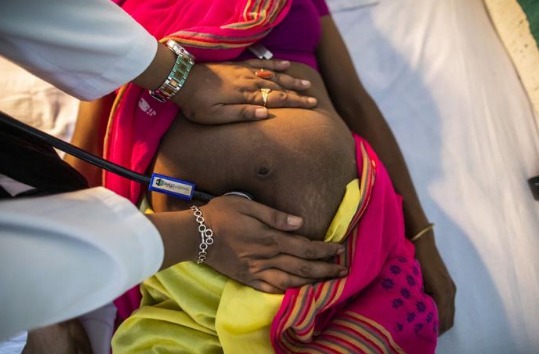
A total of 965 women died from pregnancy and childbirth-related complications in 2025, figures from the Ministry of Health and the Ghana Health Service (GHS) have revealed.
The figure translates into a maternal mortality ratio of 235 deaths per 100,000 live births, raising concerns among health stakeholders over the country’s persistent maternal mortality challenge.
The Deputy Minister of Health, Dr. Grace Ayensu-Danquah, who disclosed the figures, described maternal mortality as Ghana’s worst-performing health indicator, amid concerns that the situation could deteriorate further.
Preliminary data for the first half of 2026 indicate that, maternal deaths could exceed those recorded during the corresponding period in 2025.
The development has renewed calls for urgent measures to address the underlying causes of maternal deaths and strengthen Ghana’s healthcare delivery system.
Beyond the statistics, however, each of the 965 deaths represents a family tragedy—a daughter, wife, partner, mother, breadwinner, caregiver or entrepreneur whose life was cut short while giving birth.
The deaths also leave behind children, some of whom may have lost their only parent, while families are forced to cope with grief, economic hardship and the long-term consequences of losing a mother.
Maternal health advocates say, the situation requires more than identifying individual cases of medical negligence.
They argue that systemic challenges, including inadequate infrastructure, shortages of essential equipment, logistics and other resources, must also be addressed.
Healthcare professionals, who are often expected to manage life-threatening emergencies under difficult conditions, also require the necessary tools, staffing and working environment to provide quality maternal care.
While medical negligence, where established, must be investigated and dealt with, stakeholders say Ghana must simultaneously invest in stronger health systems capable of preventing avoidable maternal deaths.
The 965 deaths recorded in 2025 therefore represent more than a statistic. They are a sobering reminder of the urgent need for sustained investment, accountability and action to ensure that childbirth does not become a death sentence for Ghanaian women.