Volta Is Ready for 41st Farmers’ Day Tomorrow
…Regional Minister Assures Nation, As Preparations Are Finalised

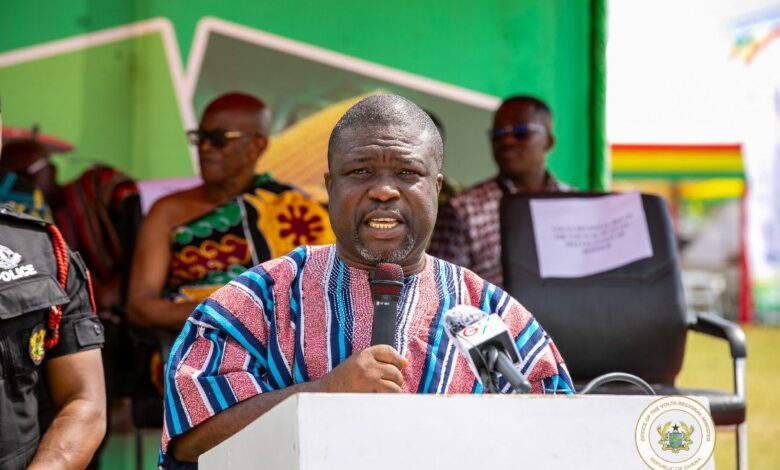
The Volta Regional Minister, Mr. James Gunu, has assured the nation that the region is fully prepared to host the 41st National Farmers’ Day tomorrow, Friday December 5, at the Ho Sports Stadium.
Addressing the media yesterday, an engagement broadcast live on major radio stations, Mr. Gunu said all arrangements have been completed in collaboration with key stakeholders and traditional authorities across the region.
He said the Volta Region stands ready to welcome visitors with “unity, hospitality and excellence.”
He explained that both the District and Regional Farmers’ Day celebrations were successfully held last week, and the local enthusiasm reflects the region’s eagerness to host the national event in grand style.
Residents of the region, he noted, are mobilising both human and material resources to ensure a smooth and successful celebration.
According to him, these efforts demonstrate the patriotism and commitment of the people to the national programme.
This year’s celebration is being held under the theme, “Feed Ghana, Eat Ghana, Secure the Future.”
Mr. Gunu said the theme aligns with government’s policy of promoting Made-in-Ghana goods and strengthening food security and self-reliance.
He emphasised that President John Dramani Mahama’s administration considers agriculture not just a supportive sector but the primary engine driving the country’s economic reset agenda—founded on productivity, innovation, and resilience.
“Farmers, fishers, processors, and value-chain actors are the backbone of our economy,” Mr. Gunu stated during the official launch of the National Agricultural Fair and Exhibition in Ho.
He stressed that Ghana’s economic future is closely tied to the fortunes of those who work the land and waters.
The Volta Region has in recent years emerged as a powerhouse in national food production, leading in rice cultivation, aquaculture, cassava processing, vegetable farming, and animal husbandry.
Its success forms a major pillar of the Volta Economic Corridor, an ambitious initiative aimed at transforming agriculture, agro-processing, logistics, and export capacity.
“Hosting this event here reflects our region’s growing contribution to national food production,” Mr. Gunu noted, highlighting how the corridor is reshaping opportunities for farmers and agribusinesses.
The programme also spotlighted Ghana’s fisheries and aquaculture sector, which the Deputy Minister of Fisheries and Aquaculture Development, Emelia Arthur, described as “a cornerstone of the country’s food system.” Fish accounts for nearly 60 per cent of the animal protein consumed by Ghanaians.
Represented by the Chief Director, Marian Kpakpa, Mrs. Arthur acknowledged the rising costs, climate change effects, and significant post-harvest losses confronting fisherfolk.
“Despite these challenges, our fishers remain determined and continue to innovate,”
she said, commending their resilience and professionalism.
She outlined ongoing government reforms, including strengthening the Fisheries Management Act, expanding aquaculture zones, improving premixed fuel governance, and investing in modern landing site infrastructure.
Chairing the event, the Paramount Chief of the Battor Traditional Area, Togbega Patamia Dzekle VII, cautioned that agricultural growth must not come at the expense of the environment.
He called for robust measures to curb environmental degradation, stressing that sustainable practices are vital for long-term food security.
His concerns echoed the government’s commitment to climate-smart agriculture and sustainable fisheries management.
“The future of our food system depends on the responsible stewardship of our natural resources,”
Mrs. Arthur affirmed, pledging continued government collaboration with farming communities.
The event drew a broad range of stakeholders, including municipal and district chief executives, heads of decentralized agencies, students, and major actors across the agricultural value chain—all united in highlighting agriculture’s pivotal role in Ghana’s economic transformation.